Author: Silicon Pools

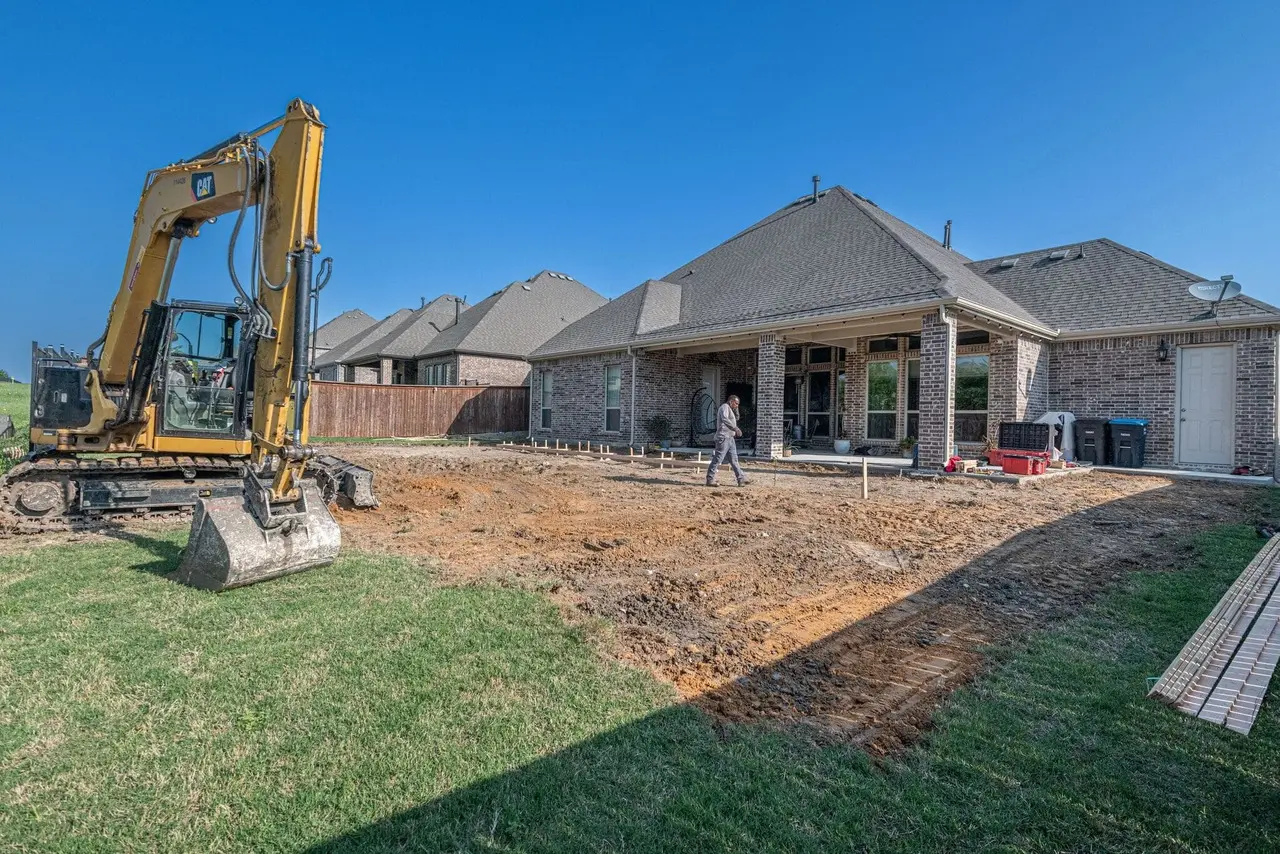
Worker moving on after the customer agreed the Cost to Build a Pool in Arizona

Cost to Build a Pool in Arizona

Real 2026 Prices From a Tucson Builder

The cost to build a pool in Arizona in 2026 starts at $48,800 for a 24-foot inground pool package from Silicon Pools in Tucson and tops out at $62,800 for our 36-foot package. Add a spa, automation, extra depth or more decking and the three sample budgets below land between $53,000 and about $86,000.

Search for pool prices and you get numbers from $30,000 to $250,000. That spread doesn’t help when you’re trying to decide whether a pool fits your budget this year. Most of the guides ranking for this question are written by Phoenix-area builders, and they quote averages instead of prices.

We do it differently. Silicon Pools is a family-owned, licensed, bonded and insured pool builder in Tucson, and we publish our retail price list. Every number in this article comes from our 2026 list. The prices are ballpark and every project still gets a free quote, but they are real numbers you can plan around.

How much does it cost to build a pool in Arizona in 2026?

A new concrete inground pool from our 2026 price list costs between $48,800 and $62,800 before add-ons. Price rises with length, and each package comes in a geometric or freeform shape at the same price.

PackageGeometric sizeFreeform sizePackage price
24-foot24′ x 12′24′ x 13′$48,800
26-foot26′ x 13′26′ x 14′$50,800
28-foot28′ x 14′28′ x 15′$52,800
30-foot30′ x 15′30′ x 16′$54,800
32-foot32′ x 16′32′ x 17′$57,800
34-foot34′ x 17′34′ x 18′$59,800
36-foot36′ x 18′36′ x 20′$62,800
Silicon Pools 2026 pool packages (Tucson area, ballpark prices subject to a free quote)

Two things stand out. Each step up in size adds only $2,000 to $3,000, so a bigger pool costs less per foot. And the freeform version of each package is a foot wider at no extra cost. If you’re torn between shapes, our guide on choosing a pool shape for a Tucson backyard walks through the tradeoffs.

What does a base pool package include?

Every package is a complete, swimmable pool. Here is what the price covers:

  • All plans and permits as needed
  • 3 to 5 feet deep with steps and a bench, or a 6-foot lagoon
  • Standard excavation, where there is 10 feet of access for an excavator to load a dump truck
  • A 3 HP variable speed pump with a relay board for phone control
  • A Pentair cartridge filter or sand filter, plus a dedicated suction port
  • Equipment set within 25 feet of the pool
  • A Pentair IntelliBrite white LED light
  • 60 feet of 30 amp main electrical, a pool subpanel and a GFCI outlet for the light
  • Standard StoneScapes Mini pebble interior with a plaster additive
  • Auto-fill with a backflow preventer, up to 25 feet
  • Standard 6-inch waterline tile, with 10 to 15 selections
  • 3 feet of salt finish concrete or Xcel acrylic overlay (Kool Deck) around the pool
  • A start-up kit and a walkthrough of how everything works
  • Cleanup of construction debris, filled trenches and raked-out disturbed areas

Warranties are part of the package too: 10 years on the mini pebble interior finish, a minimum 2-year warranty in line with Arizona Registrar of Contractors rules, and 3 years on Pentair equipment.

What is not included in the base price?

The base package has no heater, no spa, no automation system and no colored lights. Decking stops at 3 feet around the pool. If your yard is tight, rocky, or your equipment pad sits far from the pool, those conditions add cost too. The rest of this article prices each of those pieces so nothing on your quote comes as a surprise.

Why are Arizona pool prices online so different?

Most published Arizona pool prices are averages across hundreds of Phoenix-area builds, including large custom projects. An average that mixes a basic family pool with a $200,000 backyard resort tells you very little about your own project.

Package pricing works the other way. You start from a defined pool with defined equipment, then add only what you want. That is why our numbers start lower than many Arizona pool prices you’ll see quoted online. It also explains why two quotes for “a 30-foot pool” can be $20,000 apart: one includes a spa, automation and wider decking, and the other doesn’t.

Location inside Southern Arizona matters as well. Permits are included in every package, but the City of Tucson charges more for pool permits than Marana, Pima County, Sahuarita and Oro Valley. On our list, a City of Tucson address adds $450.

What add-ons raise the inground pool cost in Arizona?

A spa is the biggest single add-on at $14,000. After that, automation, salt systems, extra depth and in-floor cleaning each add roughly $2,500 to $4,300. Here is what each upgrade costs on our 2026 list and who usually wants it.

Upgrade2026 priceWho it suits
7-foot attached spa with 250k BTU heater, 50 feet of gas line, waterline tile, 18-inch spillway, spa light and 5 therapy jets$14,000Year-round use; Tucson winter evenings
Raise the spa 18 inches above ground$3,000A spillover look and easier seating
Upgrade the spa heater from 250k to 400k BTU to heat the pool too$950Swimming in spring and fall
Pentair IntelliCenter automation with automatic valves and phone control$4,300Anyone who doesn’t want to turn valves by hand
Pentair IC40 salt cell system$3,000Owners who want fewer chlorine runs
MicroBrite colored LED lights (2 for the pool, 3 with a spa)$1,750Evening entertaining
In-floor cleaning system with 14 pop-ups$4,200Less brushing, no robotic cleaner in the pool
6 feet total depth (includes bench and steel)$2,500Families with older kids
8 feet total depth (includes bench and steel)$4,300Swimmers who want a true deep end
Two deck jets, up to 125 feet of plumbing$750Sound and movement on a budget
Travertine pavers beyond the included deck$21 per sq ftCooler underfoot, upscale finish
Belgard or other pavers beyond the included deck$19.50 per sq ftLarger patios
Common pool upgrades and their 2026 prices

One planning note on depth. Anything past 5 feet needs a bench for egress and extra vertical steel, which is why the 6, 7 and 8-foot options ($2,500, $2,800 and $4,300) include both. You can’t add depth later, so decide before the dig.

The same goes for an in-floor cleaning system and plumbing for a future spa. Lights and automation are easier to change down the road. Plumbing buried under a deck is not. Our article on pool features that add home value in Arizona covers which upgrades tend to pay you back at resale.

How much do site conditions add to pool cost in Tucson?

In Tucson, site conditions usually add $0 to $7,000 to a pool cost. Narrow side yards, caliche and long runs to the equipment pad are the usual causes. Here is how each one is priced.

What if my side yard is too narrow for an excavator?

The base package assumes 10 feet of access, enough for an excavator to load a dump truck. With about 6 feet 10 inches of access, a smaller excavator and a skid steer shuttle the dirt out, which adds $2,400. Down at about 3 feet 9 inches, the triple mini excavation option adds $4,250.

Sometimes the better move is to open a wall. Removing and replacing a side wall, including re-hanging the gate, runs $1,400, plus $250 to patch stucco (paint not included).

How does caliche change the price?

Caliche is the cement-hard layer of calcium carbonate that sits under much of Tucson. When the excavator can’t break through it or through large rock, we bring in a hydraulic hammer at $275 an hour. You won’t know the exact hours until the dig, which is why it is billed by time rather than built into the package. Our article on how caliche affects Tucson pool construction explains what to expect.

Does the equipment location matter?

It does. The package covers equipment within 25 feet of the pool, gas within 50 feet for a spa heater and auto-fill within 25 feet of the water source. Beyond those distances the list adds $30 per foot of plumbing, $23 per foot of gas line and $7 per foot of auto-fill line. Tucking the equipment pad 45 feet away to hide it behind the garage adds about $600 in plumbing alone.

Do I need a pool fence in Arizona?

Most Arizona homes with a pool need a barrier. Arizona Revised Statutes section 36-1681 requires a pool to “be entirely enclosed by at least a five foot wall, fence or other barrier,” with gates that are “self-closing and self-latching with the latch located at least fifty-four inches above the underlying ground.” You can read the full text of Arizona’s pool barrier statute on the Arizona Legislature website.

The state law exempts homes where every resident is at least 6 years old. Cities and counties that adopt their own barrier ordinance must make it equal to or stricter than the state rules, so check your local code before assuming the exemption covers you. If your existing gate needs a spring to self-close and self-latch, our list adds $200. A full new fence is quoted separately.

What do three real Tucson pool budgets look like?

These three budgets are built line by line from our 2026 price list. They are examples, not quotes, but they show how a $50,000 package turns into a final number.

Line itemA: Simple family pool, Oro ValleyB: Pool and spa, City of TucsonC: Tight yard with caliche, City of Tucson
Pool package28-foot: $52,80030-foot: $54,80026-foot: $50,800
City of Tucson permitNot needed$450$450
Gate spring (self-closing, self-latching)$200Not needed$200
Spa, plus heater upgrade to heat the poolNone$14,000 + $950None
Automation and salt systemNone$4,300 + $3,000None
MicroBrite colored lightsNone$1,750None
6 feet total depthNone$2,500None
200 sq ft of travertine paversNone$4,200None
Single mini excavation (about 6’10” access)NoneNone$2,400
Hydraulic hammer, 8 hoursNoneNone$2,200
Extra 15 feet of plumbing to the equipment padNoneNone$450
Estimated total$53,000$85,950$56,500
Three sample pool budgets built from the Silicon Pools 2026 price list

Budget A is the pool most first-time buyers picture: a 28-foot family pool with a deep end bench, a variable speed pump and a pebble interior. Budget B is a backyard built for year-round use. Budget C shows how site conditions, not features, can add more than $5,000 to a modest pool.

Notice what drives the difference. Moving from A to B adds about $33,000, and the spa with its heater upgrade accounts for nearly half of that. If budget is tight, the spa is the first decision to make, not the pool size.

Can you build a pool in Tucson for less?

Yes, within limits. The smallest new concrete pool on our list is the 24-foot package at $48,800, but the choices you make inside a package still move the total.

  • Keep the depth at 3 to 5 feet. It is included, and most families swim in the shallow end anyway.
  • Pick an included interior color. Aqua Blue, Caribbean Blue, Sand and Tahoe Blue cost nothing extra. Several darker colors carry an upgrade charge plus an extra start-up process.
  • Place equipment within 25 feet. Every foot past that is $30 of plumbing.
  • Choose freeform if you want the extra width. It is the same price as geometric in every size.
  • Build outside monsoon season. Fall and winter starts avoid weather delays. See our guide to planning pool construction around monsoon season.
  • Consider a spool. A small spa-pool combination fits small yards. Our comparison of a spool vs a traditional pool helps you decide.

Paying over time is another option. Our pool financing options page explains how Tucson homeowners spread the cost of a new pool.

How long does it take to build a pool in Tucson?

Most Tucson pool builds take 8 to 12 weeks from permit approval to final inspection. Permits come first, and site conditions such as caliche can add days to the excavation phase. A spa, extra hardscape or a long equipment run adds time the same way it adds cost.

If you want to swim by a certain date, count backward. A pool you plan in the fall can be finished well before the first 100-degree day. Our checklist of what to know before building a pool in Tucson covers HOA approvals, utility locates and drainage.

How do you compare pool quotes from Arizona builders?

Compare what each quote includes, line by line, before you compare totals. Two quotes with the same pool size can differ by thousands because one leaves out permits, decking or equipment the other includes.

Ask every builder the same questions:

  1. Are plans and permits included, and for which city or county?
  2. What access does the excavation price assume, and what happens if we hit caliche?
  3. What pump, filter and light are included? Is the pump variable speed?
  4. What interior finish is included, and how long is its warranty?
  5. How many feet of decking come with the pool, and in what material?
  6. How far from the pool can equipment, gas and auto-fill go before extra charges start?
  7. Is construction cleanup included?

A clear quote answers all seven without a phone call. One of our customers, Juan Mariscal, put it this way in a Google review of his pool remodel: “The quote was very informative and there was no surprises.”

Frequently Asked Questions

Can you get an inground pool for $30,000 in Arizona?

Not a new concrete pool from our price list. Our smallest package, a 24-foot pool, is $48,800 with permits, equipment, a pebble interior and 3 feet of decking included. Lower numbers you see online usually describe vinyl-liner or above-ground pools rather than concrete.

Is a freeform pool more expensive than a geometric pool?

Not with our packages. Each size is the same price in either shape, and the freeform version is a foot wider. Custom shapes outside the packages are quoted individually.

How much does a spa add to the cost of a pool?

An attached 7-foot spa with a 250k BTU heater, gas line, spillway, light and 5 therapy jets is $14,000. Raising it 18 inches adds $3,000, and upgrading the heater so it can also warm the pool adds $950.

Are permits included in the pool cost in Tucson?

Yes. All plans and permits are included in every package. The City of Tucson charges more for pool permits than Marana, Pima County, Sahuarita and Oro Valley, so a City of Tucson address adds $450.

Why is the cost to build a pool in Arizona lower here than in some online guides?

Many guides quote average spending across custom builds in the Phoenix area, including spas, outdoor kitchens and large patios. Our figures start from a defined package, so you see the base price and the price of each upgrade separately.

Get your Tucson pool priced

You now know more about what a pool costs than most people do when they call a builder. The next step is a real number for your yard. Download the full list on our Tucson pool pricing page, browse finished projects in our pool gallery, and see how we handle custom pool construction in Tucson from design to start-up.

When you’re ready, request your free pool quote or call us at (520) 400-4633. We’ll walk your yard, check access and soil, and give you a written price that matches the list above.
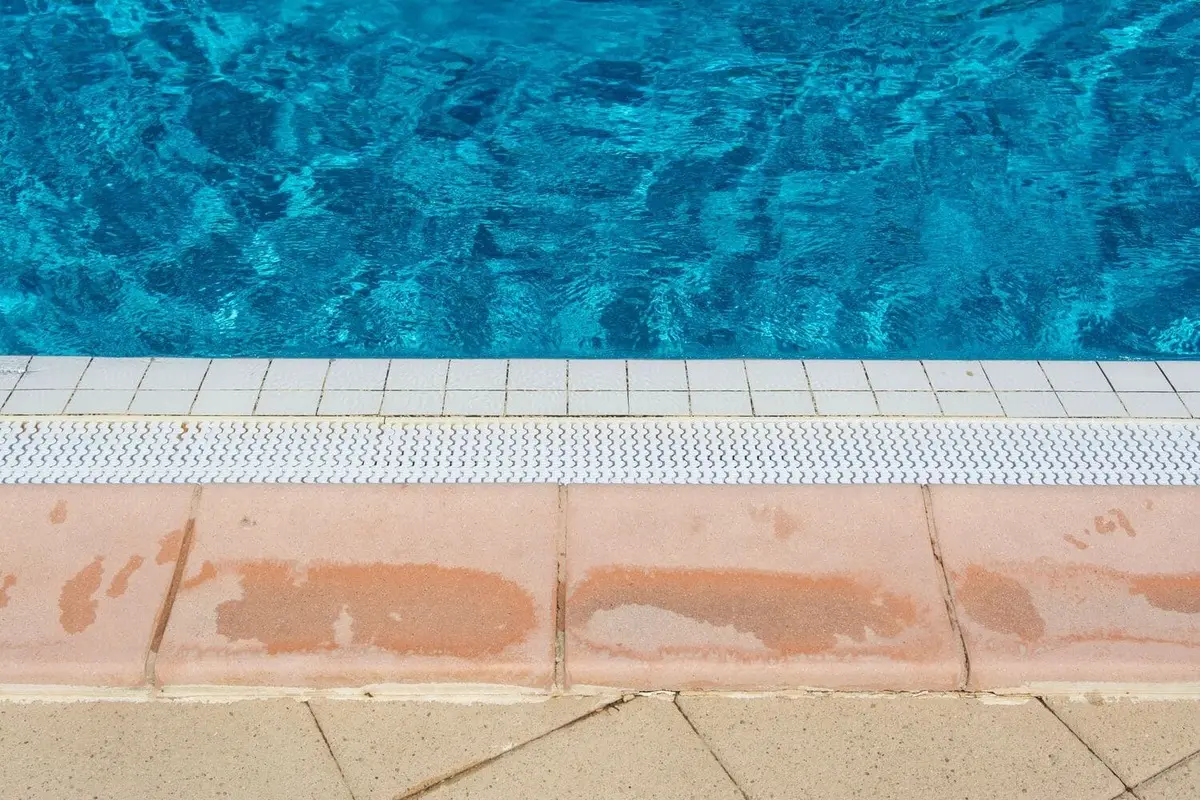
calcium buildup on pool tile

Calcium Buildup on Pool Tile in Tucson

If you own a pool in Tucson, you have probably seen it: a chalky white band creeping along the tile right where the water meets the wall. Scrub it and it barely moves. Ignore it and it gets thicker, grayer, and harder every summer.

That white line is calcium scale. Tucson’s hard water, desert heat, and constant evaporation push dissolved calcium out of your pool water and onto the tile. Light carbonate scale can often be removed with a pool pumice stone or a professional media blasting service, while heavy or recurring buildup that has damaged tile and grout is usually a sign it is time to replace the waterline tile, ideally during a renovation when the pool is already drained.

This guide explains why calcium builds up so fast in Southern Arizona, how to tell which type of scale you have, which removal methods are safe for your surfaces, and how to keep it from coming back.

Why Does Calcium Build Up So Fast on Tucson Pool Tile?

It starts with the water coming out of your hose. According to Tucson Water, the city’s groundwater is naturally hard, and hardness levels rise primarily from mixing that groundwater with Central Arizona Project (CAP) water. As the percentage of CAP water increases, so does the hardness. Tucson Water notes that hard water is safe to drink, but it also points out that mineral buildup shortens appliance life and clogs pipes. Your pool is simply a very large appliance sitting in the sun.

Three things work against you here:

  • Hard fill water. Every time your autofill tops off the pool, it adds more calcium.
  • Evaporation. Water evaporates, but the minerals stay behind. The Arizona Department of Water Resources says a standard 16 by 36 foot uncovered pool loses four to six feet of water per year to evaporation, most of it during the summer, so calcium concentration keeps climbing even if you never add a calcium product.
  • Heat and pH. Warm water and high pH make calcium less soluble, so it falls out of solution and bonds to the nearest surface. The waterline tile, which is constantly getting wet and drying in the sun, takes the worst of it.

Spas and water features scale even faster. Hot spa water, spillways, and sheer descents all increase evaporation. The Arizona Department of Water Resources notes that aeration from fountains and waterfalls increases evaporation, and that 7 mph winds over a pool can raise evaporation losses by as much as 300 percent. That is why it is common to see heavier deposits on a spa’s tile band or a rock waterfall than on the main pool.

Calcium Carbonate vs. Calcium Silicate: Know What You Are Dealing With

Not all white buildup is the same, and the type determines how you remove it.

  • Calcium carbonate is white, chalky, and flaky. It is the most common type and the easiest to remove. A small test spot of white vinegar or a pool tile scale remover will usually fizz or soften it.
  • Calcium silicate is grayish, dense, and often slightly translucent. It forms over years and bonds tightly to the tile glaze. It does not react much to mild acids and usually requires professional abrasive removal.

Many older Tucson pools have both: a softer white layer sitting on top of a hardened gray layer that has been building for years. If you have owned your home for a while and the line has never been professionally removed, assume you are dealing with some silicate.

How to Remove Calcium Buildup From Pool Tile

The right method depends on how heavy the scale is and what your tile is made of.

Light Scale: Pumice Stone and Scale Removers

For thin, fresh carbonate deposits on glazed ceramic or porcelain tile, a pumice stone made for pools can work. Keep both the stone and the tile wet the whole time, use light pressure, and work in small sections. A dry pumice stone can scratch the glaze. Scale removers made for pool tile, applied with a nylon brush, are another option for light deposits.

Skip the pumice on glass tile, natural stone, or any decorative tile you are not sure about. Travertine, slate, and other stone are porous and scratch easily, and they can etch permanently if acid touches them.

Moderate to Heavy Scale: Professional Media Blasting

Once scale is thick or has turned gray, DIY methods usually stop working. Tucson has several dedicated tile cleaning companies that lower the water a few inches below the tile line and use compressed air to blast a media at the scale. Common media include glass bead, soda (sodium bicarbonate), and water-soluble mineral salts such as magnesium sulfate, often sold as Kieserite.

Here is something worth knowing before you hire anyone: local tile cleaners do not agree on which media is safest. Some use glass bead as their standard, especially on pebble finishes and rock. Others refuse to use glass bead on tile at all and say a softer, water-soluble media protects the glaze better. Ask any company what media they plan to use on your specific tile, pebble, or stone, and whether they have worked on that surface before.

Why We Do Not Recommend DIY Acid Washing the Tile Line

Muriatic acid will dissolve carbonate scale, but it is easy to get wrong. It can etch plaster and pebble finishes, eat away grout, discolor natural stone, and create runoff you should never send into the street or a storm drain. It also does little for calcium silicate. If the scale is heavy enough that you are thinking about acid, it is heavy enough to call a professional.

When Is It Time to Replace the Tile Instead of Cleaning It?

Cleaning makes sense when the tile underneath is still in good shape. But years of scale, repeated blasting, and harsh chemicals take a toll. Replacement is usually the smarter investment when you see:

  • Cracked, chipped, or loose tiles along the waterline
  • Grout that is missing, crumbling, or recessed
  • Tile that stays cloudy, etched, or stained even after professional cleaning
  • Scale that returns within weeks of removal
  • Hollow-sounding tiles, which can point to a failing bond with the pool’s bond beam
  • A dated tile style you want to change anyway

Timing matters too. If your pool is due for resurfacing, that is the ideal moment to replace waterline tile, because the pool is already drained and the crew already has access to the full tile band. Pairing new tile with a new interior finish means one drain, one refill, and one fresh start on water chemistry. Our team handles resurfacing, tile updates, and equipment upgrades as part of our pool renovation services in Tucson, so you can take care of everything in a single project.

How to Prevent Calcium Buildup in a Desert Pool

You cannot change what comes out of the tap, but you can slow scale down significantly.

Test Calcium Hardness, Not Just Chlorine and pH

Many pool owners test chlorine and pH every week and never look at calcium hardness. In Tucson, you should. Leslie’s Pool Supplies lists 200 to 400 ppm as the optimal range for calcium hardness. When your pool sits well above that range, the water will keep pushing calcium onto your surfaces. Tucson Water itself suggests using a pool test kit to check the hardness of your home’s water, which also tells you what you are adding every time the autofill runs.

Watch Your Water Balance (LSI)

Calcium alone does not cause scale. It is the combination of calcium hardness, pH, total alkalinity, water temperature, and total dissolved solids. Pool professionals combine those readings into the Langelier Saturation Index, or LSI. A reading near zero means balanced water. A positive reading means the water is likely to scale, and a negative reading means it is likely to etch your surfaces. In summer, when water temperatures climb, a pool that looked balanced in spring can tip into scaling territory. Keeping pH in the lower part of the recommended range during the hottest months helps.

Other Habits That Help

  • Brush the tile line weekly. Fresh deposits come off far more easily than hardened scale.
  • Use a pool cover when you can. The Arizona Department of Water Resources estimates that a pool cover can save 90 to 95 percent of the water lost to evaporation, which means less mineral concentration.
  • Consider a sequestering or scale inhibitor product. These bind to minerals and help keep them in solution. They do not remove calcium, so they need to be added on a regular schedule, especially after topping off.
  • Avoid calcium hypochlorite shock if your hardness is already high, since it adds more calcium.
  • Plan for a periodic drain and refill. When calcium and total dissolved solids climb too high, dilution is the only real way to bring them down. Tucson water researcher Gary Woodard told the Arizona Daily Star that as salts from CAP water build up, pools in Tucson need all the water replaced about every five years. Talk to a pool professional before draining, since timing and weather matter in Arizona.
  • Keep an eye on your equipment. The same scale that shows up on tile can build up inside heaters, salt cells, and plumbing, reducing efficiency over time.

Frequently Asked Questions

Does calcium buildup damage pool tile?

It can. Scale left in place for years can bond into the tile glaze and grout, and aggressive removal attempts can scratch or etch the surface. Catching it early and using the right removal method for your tile type protects the finish.

How often should Arizona pool tile be cleaned?

There is no fixed schedule. It depends on your water chemistry, how much your pool evaporates, and whether you have a spa or water features. Weekly brushing and balanced water stretch the time between professional cleanings, and a pool professional can recommend an interval based on your water tests.

Will a water softener fix calcium in my pool?

Not by itself. Whether your home softener helps at all depends on whether your pool’s autofill line is plumbed through it, so check with your plumber. Most Tucson pool owners manage scale through water balance, regular brushing, and periodic dilution.

Can calcium be removed without draining the pool?

Usually, yes. Tile cleaning services typically lower the water just below the tile line rather than draining the pool completely. Tile replacement and resurfacing, on the other hand, require a full drain.

Is the white line on my tile the same as white spots on the plaster?

Not always. Scale can form on plaster and pebble finishes too, but white or gray spots in the interior surface can also point to other finish problems. If you are seeing damage beyond the tile line, have the interior surface inspected before choosing a fix.

Get a Clear Answer on Your Tile

If your waterline tile keeps scaling up, or it is cracked, stained, and past the point where cleaning helps, Silicon Pools can take a look. We are an owner-operated, family-owned pool construction and renovation company based in Tucson, and you will see the same skilled team from start to finish. Call us at (520) 400-4633 to talk through your options.

Preparing Your Tucson Pool for Winter: Essential Checklist

While Tucson winters remain mild compared to most of the country, your pool still requires specific winterization steps to maintain optimal condition during cooler months. Many Tucson pool owners make the mistake of assuming our 60-70°F winter days mean no seasonal preparation is necessary. This costly oversight leads to equipment damage, algae blooms, and expensive spring repairs. At Silicon Pools, we’ve helped countless Tucson homeowners protect their pools through the winter months. Here’s your essential checklist for proper winter pool care.

Adjust Your Chemical Balance

Winter water chemistry requires different parameters than summer maintenance. As water temperatures drop below 70°F, chlorine dissipates more slowly, and algae growth slows but doesn’t stop completely. Test and adjust your pool chemistry to these winter targets:

  • pH: 7.4-7.6
  • Total Alkalinity: 80-120 ppm
  • Calcium Hardness: 200-400 ppm
  • Chlorine: 1-3 ppm

Tucson’s notoriously hard water means calcium levels deserve special attention. High calcium concentrations combined with cooler temperatures increase the risk of scaling on pool surfaces and equipment. If you’re unsure about proper chemical balancing, our team can assess your pool’s specific needs.

Reduce Filtration and Cleaning Schedules

You don’t need to run your filtration system as extensively during winter. Most Tucson pools require 4-6 hours of daily filtration during the winter months, versus 8-12 hours in summer. This adjustment saves significantly on electricity costs while maintaining adequate water circulation.

Continue using your automatic pool cleaner, but reduce the schedule to 2-3 times per week instead of daily. Monitor your pool’s cleanliness and adjust as needed—shaded pools or those near deciduous trees may require more frequent cleaning due to leaf debris.

Inspect and Service Equipment

Winter provides the ideal opportunity to inspect pool equipment before problems escalate. Check your pump, filter, heater, and automation systems for signs of wear or malfunction. Look for:

  • Pump motor noise or vibration
  • Filter pressure irregularities
  • Heater ignition problems
  • Leaking pipes or fittings
  • Corroded electrical connections

Address any issues now rather than discovering equipment failure when you’re ready to increase pool use in spring. Our equipment repair and upgrade services can diagnose problems and recommend solutions before they become expensive emergencies.

Maintain Proper Water Level

Tucson’s low winter humidity and occasional winds cause continued evaporation even during cooler months. Check water levels weekly and maintain them at the proper height—typically halfway up your skimmer opening. Low water levels can damage pump motors by allowing them to run dry, while excessively high levels reduce skimmer efficiency.

If you notice water levels dropping faster than normal, evaporation explains, you may have a leak requiring professional attention. Early detection prevents water waste and potential structural damage.

Address Algae Proactively

Tucson’s mild winters mean algae remain a year-round concern, particularly in pools with reduced circulation and chemical maintenance. Green, yellow, or black algae can establish during winter, creating significant cleanup challenges come spring.

Brush pool walls and floors weekly, paying special attention to shaded areas and to areas behind ladders or stairs where algae typically starts. If you notice any discoloration, address it immediately with appropriate algaecide treatment and increased chlorination.

Protect Against Freeze Damage

While rare, Tucson does experience occasional freezing nights. Temperatures dropping below 32°F can damage unprotected pool equipment, particularly exposed pipes, pumps, and pool heaters. Monitor weather forecasts, and when freezing temperatures are predicted:

  • Run filtration systems continuously to keep water moving
  • Drain above-ground water features that can’t be protected
  • Cover exposed pipes with insulation
  • Keep pool heaters running at minimum settings

These simple precautions prevent thousands of dollars in freeze-related damage during our occasional cold snaps.

Consider Professional Winterization

If you plan to travel extensively during winter or prefer professional oversight, consider our maintenance services. We provide customized winter care programs that handle all chemical balancing, equipment monitoring, and cleaning tasks. This ensures you return to a pristine, well-maintained pool, ready for immediate enjoyment.

Plan Winter Renovations

Winter’s reduced pool usage makes it the ideal time for renovation projects. Whether you’re considering resurfacing, equipment upgrades, deck improvements, or adding water features, winter scheduling means your pool is ready for peak season. Projects completed during the winter months avoid disrupting your summer enjoyment.

Ready to ensure your Tucson pool is properly prepared for winter? Contact Silicon Pools at (520) 400-4633 or email office@siliconpoolsaz.com. Our experienced team provides expert winterization services, equipment inspections, and renovation consultations to keep your pool in optimal condition year-round.